Martín Berasategui Boga.
The Orfeón Donostiarra singing to a trainera out on the sea.
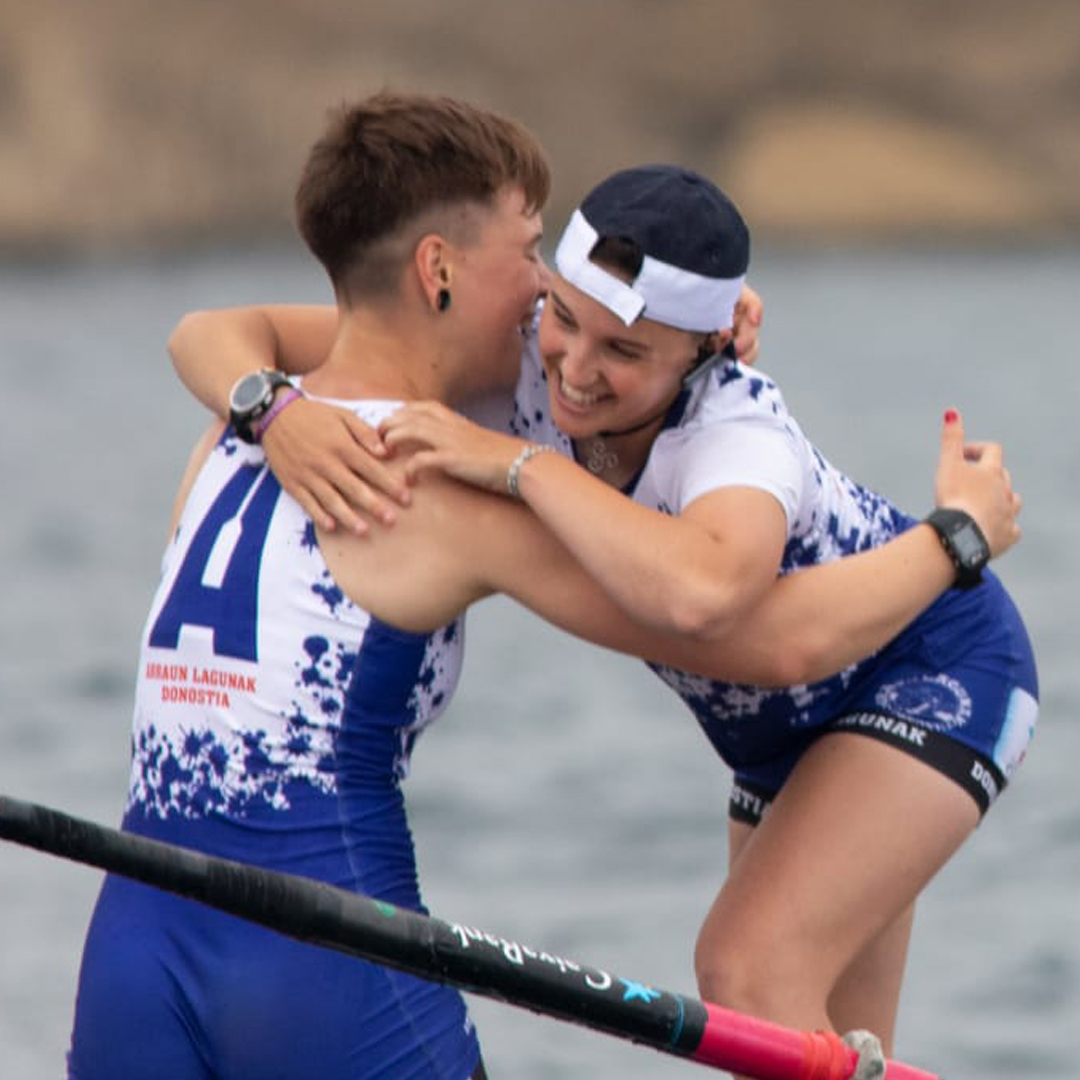
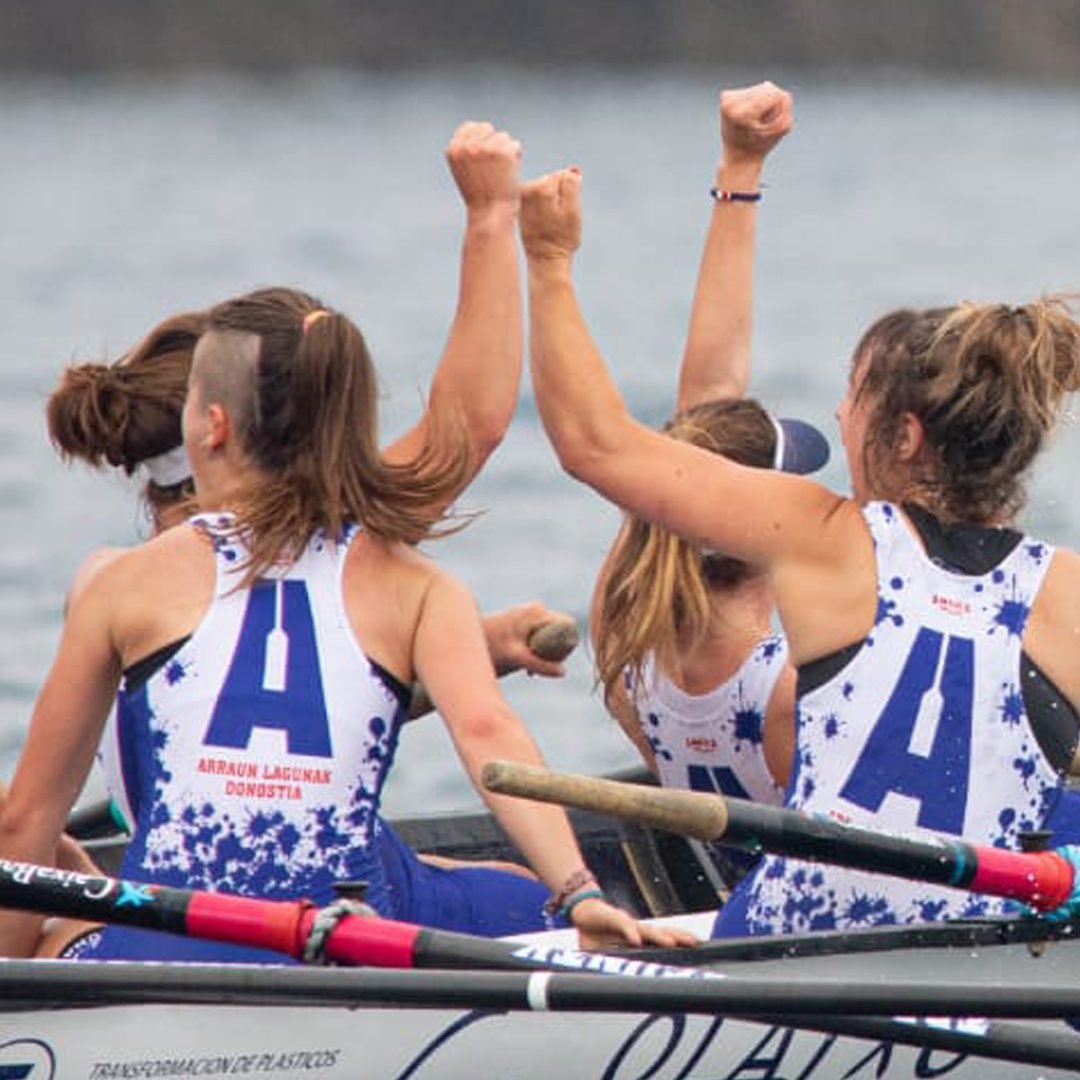
The Arraun Lagunak women’s rowing team rows against many obstacles. On top of glass ceilings and the invisibility of women’s sports, they don’t receive the same institutional treatment as other women’s rowing teams in the city, even though year after year they prove on the water that they are the best.
But if anything defines Donostia, it’s that pride runs deep here: we celebrate the victories of our own and, when it matters, we show up. To make visible the social support behind this humble, beloved local team — to show that the rowers of Arraun don’t row alone — we decided to do something that would tell that story visually. Or better yet, sing it.
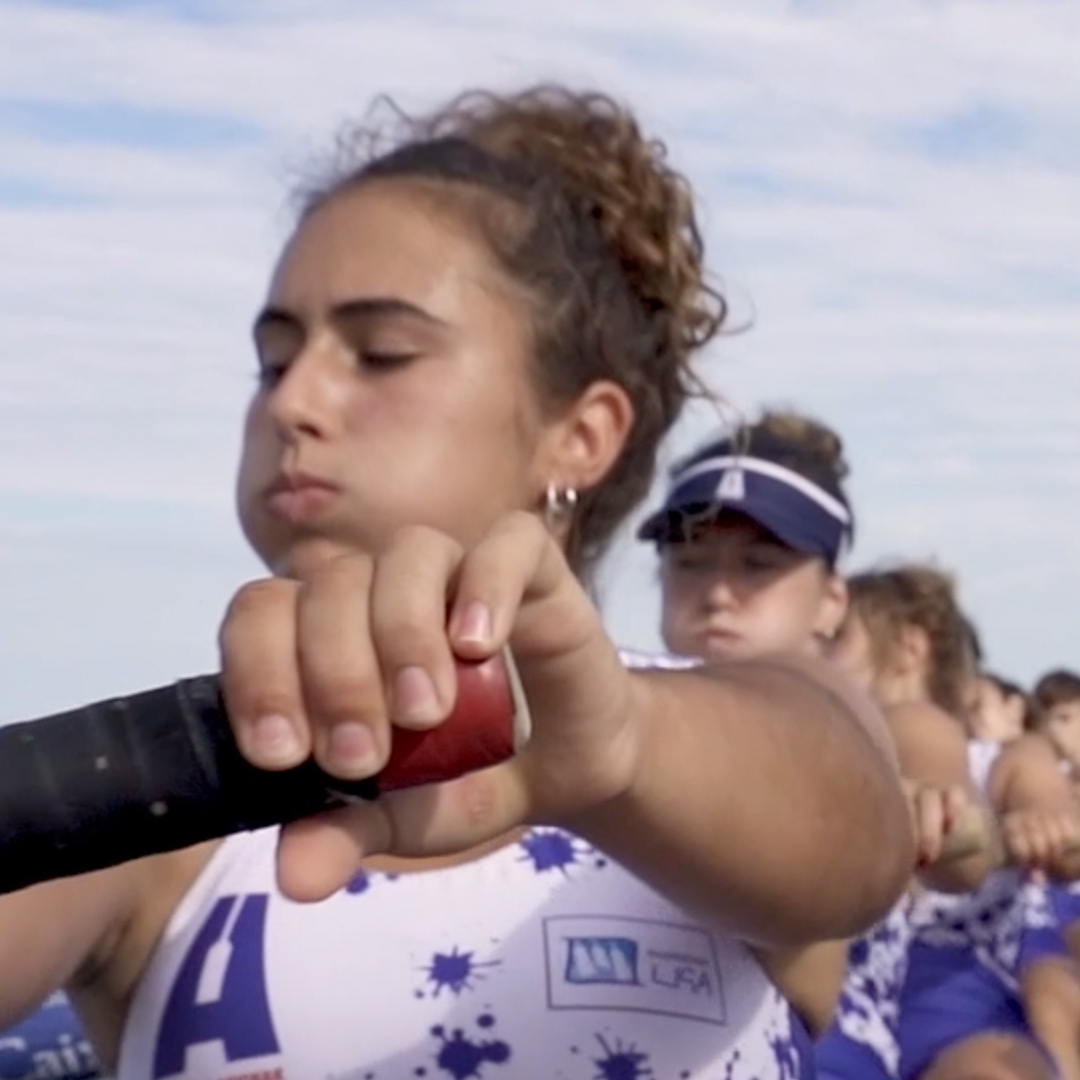
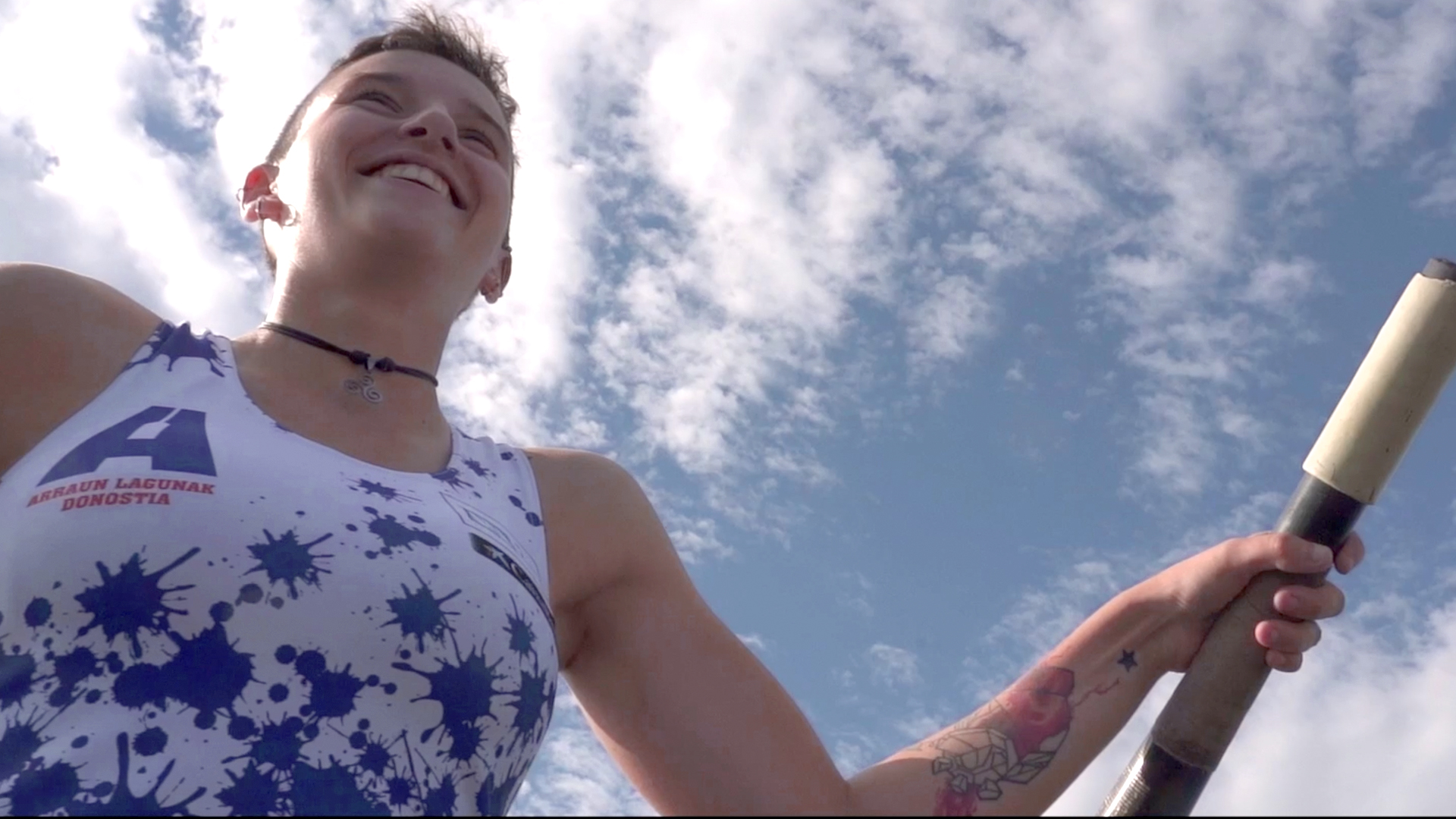
We put the Orfeón Donostiarra out singing, for the first time in history, on the waters of the Bay. In motion, keeping pace with the trainera’s strokes. Choir and trainera. A perfect duo. Because the sum of work, team and talent is the common denominator of most of the things that make our city great. The Orfeón with voices, Arraun with oars. Both carrying the city’s name.
Two experiences that had lived side by side for centuries — and we asked ourselves: can they get even closer? Can they truly come together? That’s where we began bringing to life an idea born from the conviction that adding up always multiplies. As the project’s summary puts it: in this city, everyone who picks up an oar adds up. And no one will ever row alone.
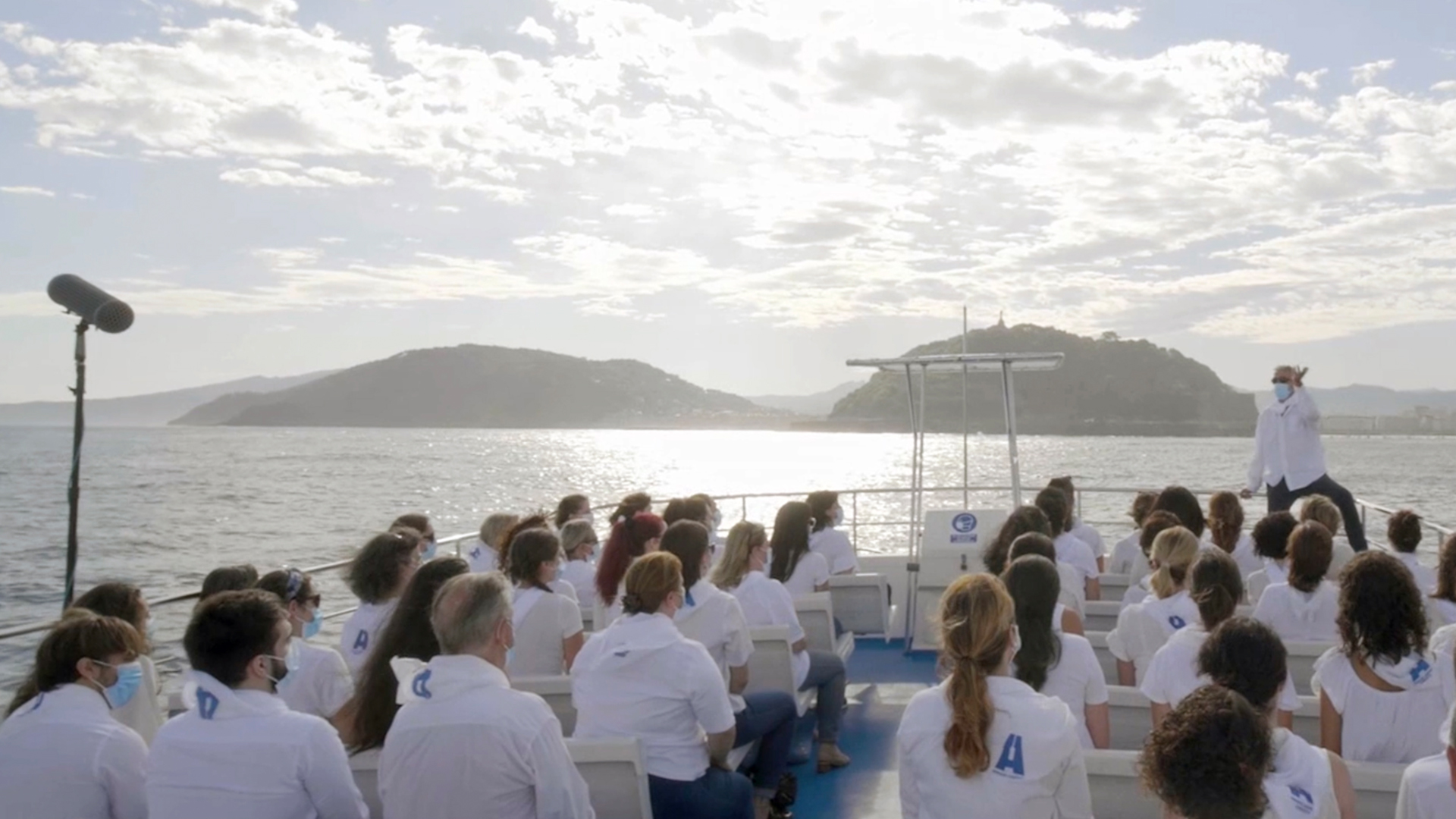
A project whose purpose was to draw attention and spark interest in the challenges Arraun faces, and to do so organically. It achieved instant virality and made the news in every local outlet. The following year, Arraun won the first Bandera de La Concha (considered the Champions League of world rowing) in history for a women’s team from this city. Only the second in 70 years of history.
"Beautiful, congratulations!"